Philosophy

Three elements. One apex.

New technology that earns its place - where a mistake can kill.

The thinking behind the practice, in one place. For oil and gas, chemicals, power and the rest of heavy industry - robots, drones, sensors, artificial intelligence and the control systems (OT) that run the plant.

The problem it exists to solve

The problem

New technology is too often adopted because it is new, then dropped into operations built to resist change. The gap opens after the pilot - and it looks different depending on where you sit.

One site is a pilot. Ten sites is a decision.
Site 1 - the pilot works
?
who owns this step - and who can sign for it?
Ten sites, five years
One pilot is easy to fund. Ten sites need someone with the authority to sign - and evidence they'll stand behind.
The trial answers one question. The operator's gate asks four more.
THE TRIAL
"Does it work?"
Yes - and the site rates it
→
INSIDE THE OPERATOR - ROOMS THE VENDOR USUALLY ISN'T IN
Assurancecan we accept the risk?
OT & cyber securitycan we join it to our systems?
Competencewho runs, checks and stops it?
Change controlhow does it enter our procedures?
→
THE FLEET
"Can we accept it, here, for five years?"
Two valleys - Europe funds the first; the operator crosses the second alone
Lab to market ideapilot grants · venture · public funds
Pilot to fleet pilotfleet the operator's procedures, OT systems, people
The return is decided in the second valley. That's where an operator has to change its own site before a pilot becomes revenue - and it's the part a data room shows least.
Why

A failure here isn't a bad quarter

In oil and gas, chemicals, power and the rest of heavy industry, it can mean a fire, an explosion, a release or people not going home.

What

Technology that is new to the people adopting it

Robots, drones, sensors, artificial intelligence and the control systems that run the plant. Much of it doesn't upgrade something they already do. It's something they have never done before.

Trap

Adopting it because it is new

Because it demos well, because a competitor has it, because it photographs well on a site visit. That kind of adoption rarely lasts - and here it can be dangerous.

A new technology earns its place when three things are true

  1. it solves a problem the operation actually has;
  2. the value of solving it has been worked out honestly;
  3. it has been shown to work reliably, on a real asset, in real conditions - not just in a demonstration.
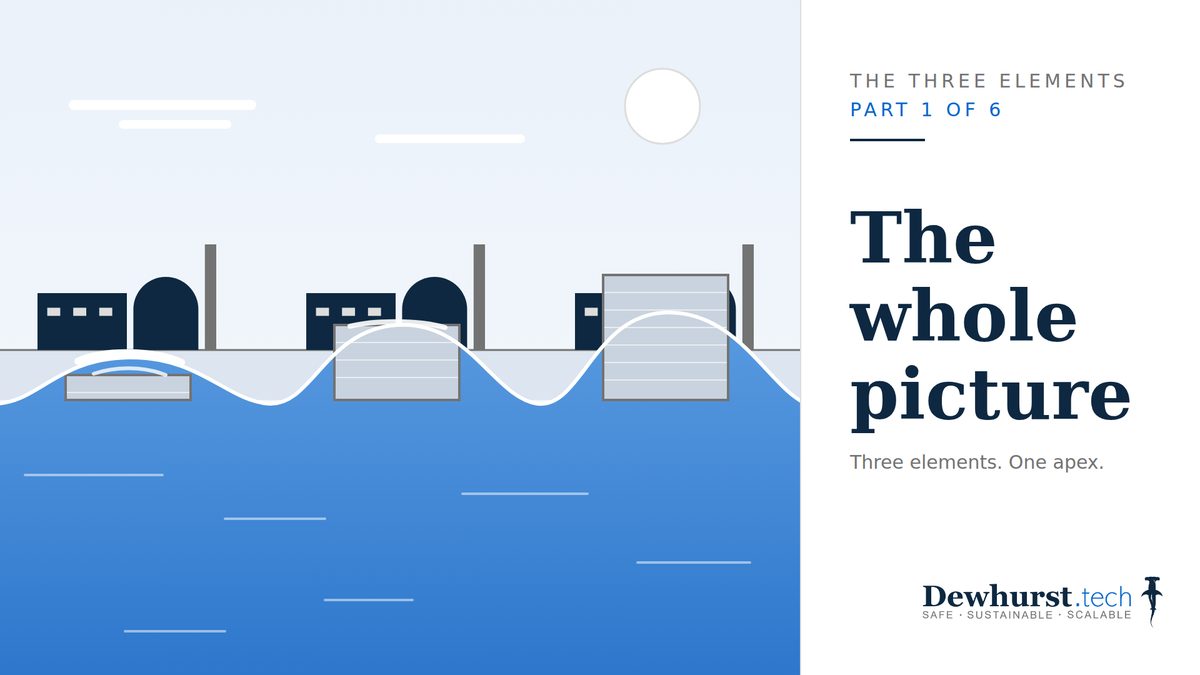
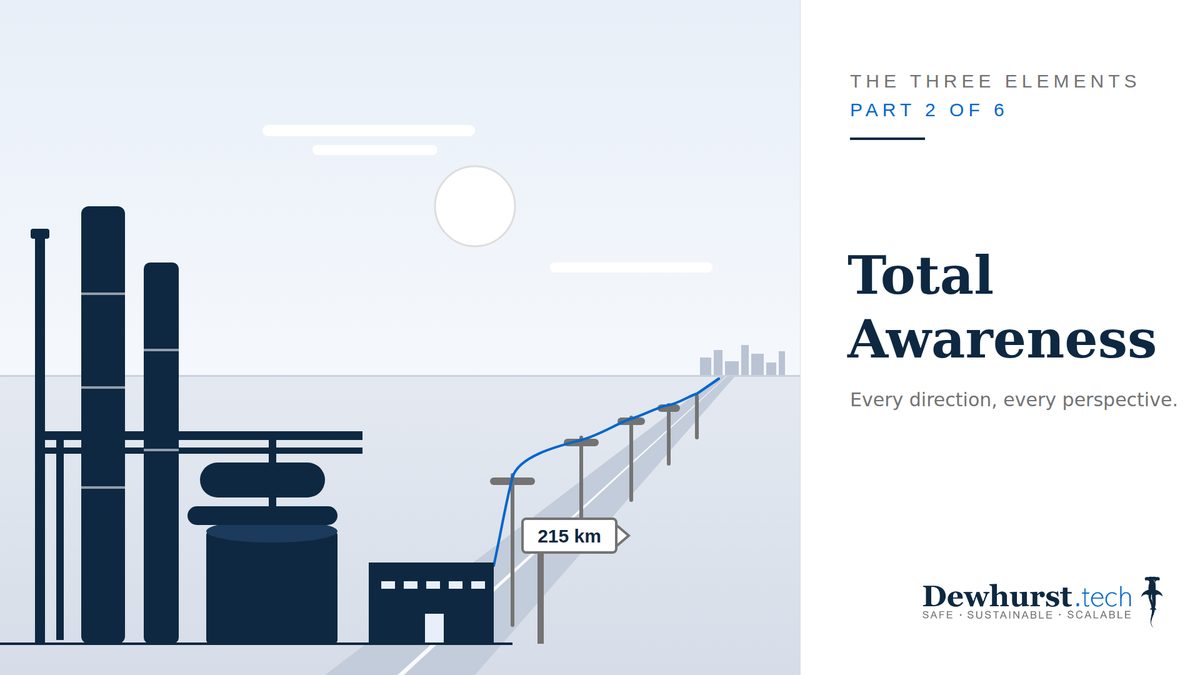
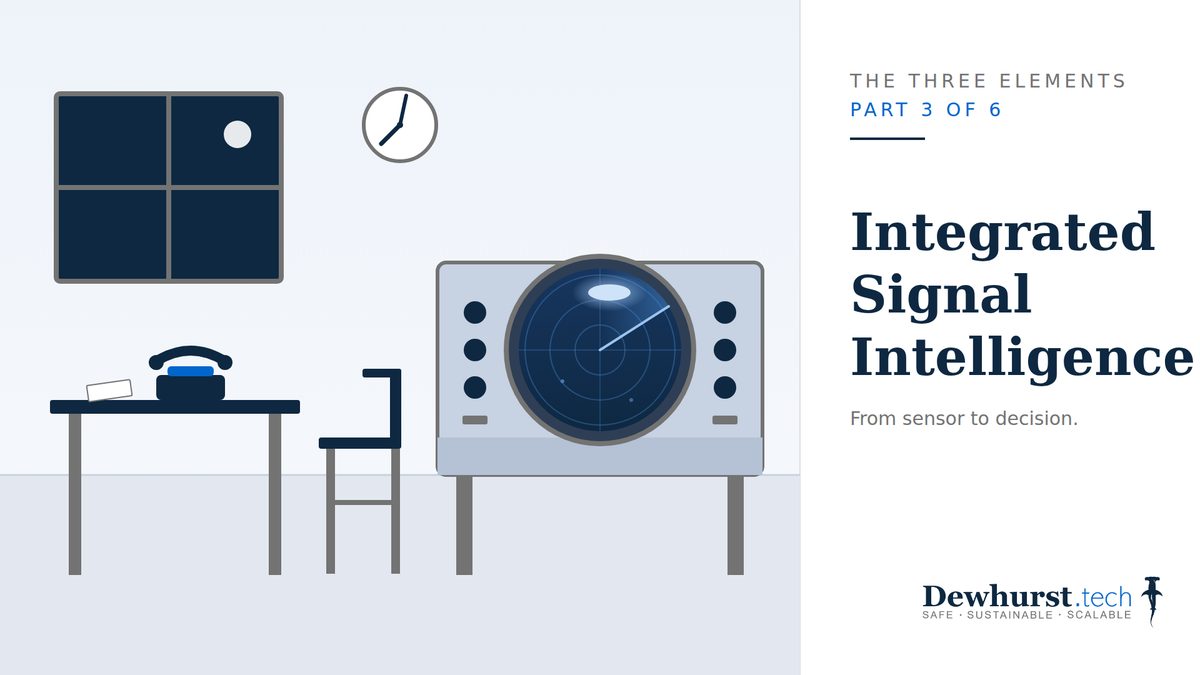
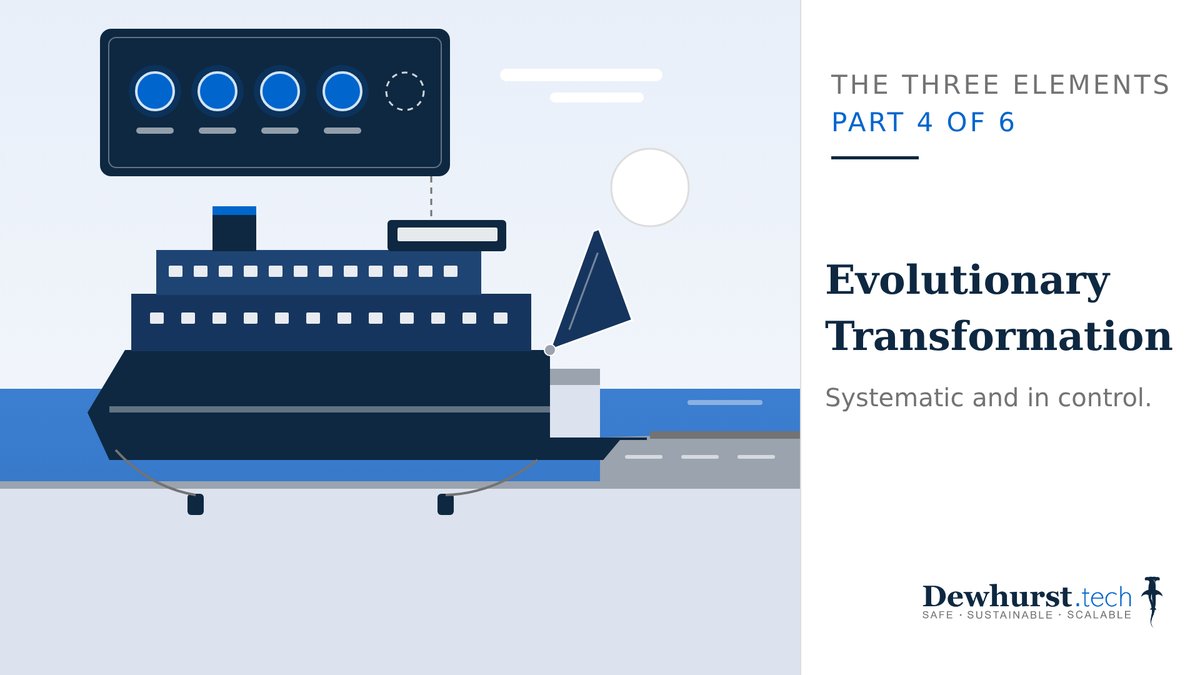
Three elements. One apex.Total Awareness Every direction,every perspective. the 4π steradian view IntegratedSignalIntelligence From sensorto decision. signals with purpose EvolutionaryTransformation Systematic andin control. change that outlastsits champion INSIGHTClarity,but no change MOMENTUMAction,but in silos PRECISIONControl,but blind spots OPERATIONAL APEX Sustainably fit for service Not just on day one. On the thousandth day.

Tap any element, overlap or the centre to explore it.

The centre

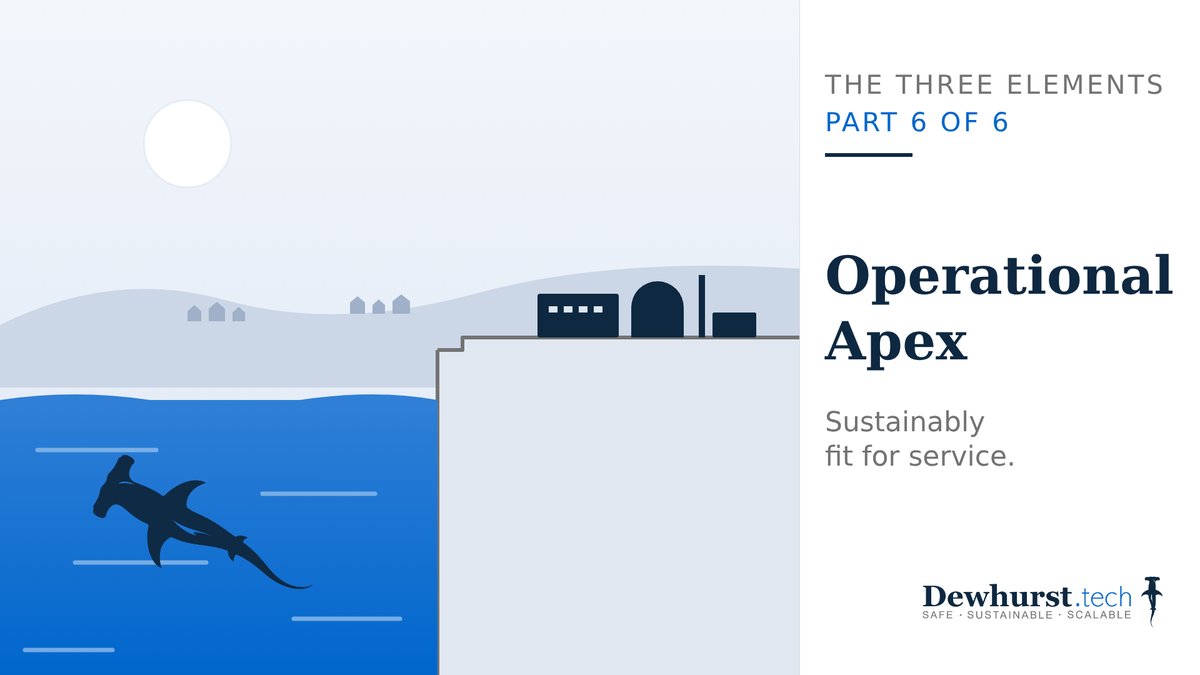
Operational Apex

Sustainably fit for service.
Not just on day one. On the thousandth day.
What happens when all three are present?

The operation sees the whole system, understands what it is saying and acts on it in a way that is systematic, controlled and built to last. No blind side, no guesswork - no report gathering dust.

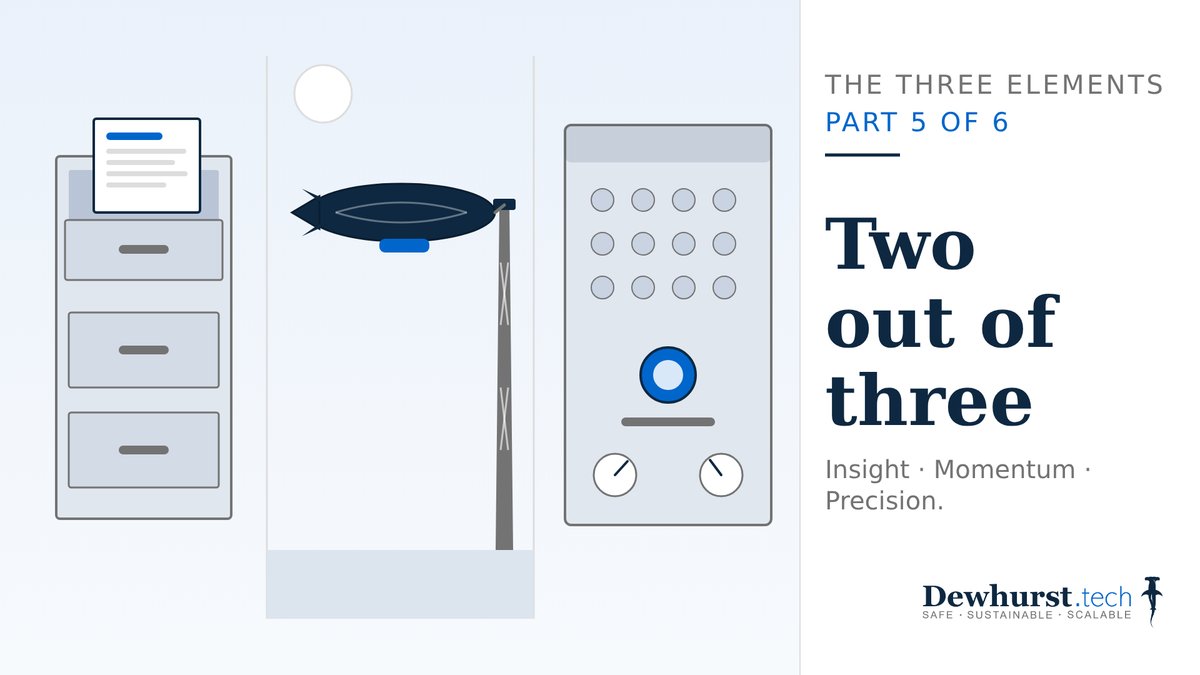
Two out of three feels like success... until it doesn't

Most disasters don't happen to bad operators. They happen to good ones that were missing one thing.

Insight

Clarity, but no change.

The risk has been identified and the report is well written - then it goes back into the drawer. The inquiry doesn't find ignorance. It finds a warning on file.

Missing: Evolutionary Transformation

Momentum

Action, but in silos.

Every team is in control of its own patch and milestones are being hit. The signals are never joined up, so "it passed the test" gets heard as "it will work in service".

Missing: Integrated Signal Intelligence

Precision

Control, but blind spots.

Well run, systematic, competent - against the hazards somebody thought to look for. The thing that mattered never reached anyone's attention.

Missing: Total Awareness

Three standards, not one

It's easy to think the job is done when a system is fit for purpose.

Where most technology stops

Fit for purpose

It does what the specification says - and a certificate proves it.

The harder standard

Fit for service

It works on a live asset, in real conditions, for as long as the asset needs it - and the operator's risk case stands behind it.

Apex

Sustainably fit for service

Not fit on the day of handover - fit on the thousandth day, when nobody is watching any more.

Six stories, one idea

It starts on one stretch of coast in March 2011, then follows the idea through real stories: a gas plant, a radar screen, a ferry, three good operations that were missing one thing, then back to that coast. Read them in any order, though they build.

From what good looks like to what to do about it

Four steps, each adding one dimension to the step before it: first what good looks like, then time, then risk, then action.

What does good look like?

The three elements, three near-misses and one apex.

Adding time: the journey

From first idea to scale - and what each party hands to the next along the way.

Adding risk: what can go wrong

What can go wrong at each step - and how you would know.

From risk to action

What to do about it - and the evidence each handoff needs.

If one of the three feels shaky in your operation, Dewhurst.tech can give you the support you need to transform with confidence.

steve@dewhurst.tech